
Referral programme →

Home  /  Courses  /  Nutrition

Admissions openThree nutrition programmes · DFND, Skin & Hair Nutrition, GLP-1 Nutrition

The half of the result that happens between appointments.

A client is in your chair for ninety minutes a month. For the other thirty days their skin, their hair and their recovery are being built out of what they eat, and nothing in the treatment plan is looking at that.

I2CAN teaches three nutrition programmes. The Diploma in Food Nutrition & Dietetics (DFND) is a six-month entry qualification open from 10th pass, with a two-month internship; it does not lead to registration as a dietitian. The Diploma in Skin & Hair Nutrition is a one-month programme for people who already treat skin and hair, open to doctors and non-doctors. The Advanced GLP-1 Nutrition Course is a clinical, case-based programme for nutrition and healthcare professionals who support patients on GLP-1-based therapies.

3
Nutrition programmes
12
Modules in DFND
2
Months of internship
Free
Re-attendance of sessions

Talk to a counsellor

No pressure, no spam. We will tell you if a programme is not right for you.

We respect your privacy. Your details are never shared.

01 / What you can enrol in

Three programmes,
three starting points.

These do not compete. One is for people entering nutrition as their field; one is for people who already treat skin and hair and want to close the gap between the treatment and the plate; and one is for nutrition and healthcare professionals supporting patients on GLP-1 therapy. No fees are published here; a counsellor will talk you through what applies to you.

Starting from the beginning

Diploma in Food Nutrition & Dietetics

  • Duration: 6 months, 4 months taught + 2-month internship
  • Twelve modules
  • Entry: open to all, 10th pass

The full grounding in sequence: what food does, what the body does with it, how that changes across a life and across conditions, and then two months of supervised work with real people.

Indicative modulesFundamentals of nutrition · food science · anatomy and physiology · lifecycle nutrition · medical nutrition therapy · skin and hair nutrition · psychiatry nutrition · gynaecology nutrition · Ayurvedic nutrition

Includes a 2-month internship, internal or external.

If you already treat skin and hair

Diploma in Skin & Hair Nutrition

  • Classroom: 1 month
  • Open to doctors and non-doctors

The nutrition side of the presentations you already see, so the work you do in the clinic is not undone by what the client eats for the other thirty days.

Indicative modulesSkin ageing theories and diet · factors affecting skin health · beauty nutrition · melasma and pigmentary disorders · androgenic alopecia · eczema and psoriasis · acne and oily skin · hair thinning and dandruff

Built to sit on top of an aesthetic or cosmetology qualification.

For nutrition and healthcare professionals

Advanced GLP-1 Nutrition Course

  • 6 modules plus academic sessions
  • Clinical, case-based learning
  • Waitlist open for the next batch

Nutrition therapy for patients on GLP-1-based treatment: assessing nutritional risk, building individualised strategies and supporting patients through each phase of therapy.

Indicative modulesGLP-1 pharmacotherapy foundations · nutrition assessment in GLP-1 therapy · gastrointestinal symptom management · dietary management and adequacy · lean-mass preservation · monitoring and long-term management

For nutrition graduates, PG students and professionals, and endocrinologists and cardiologists.

DFND is an entry qualification. It is not a degree, and completing it does not make you a registered dietitian. Advising someone around a diagnosed medical condition is clinical work. The eligibility guide sets out scope of practice across every programme. Looking for the aesthetic side? See courses for doctors or courses for beauty professionals.

What stays with you after the programme

The questions that matter tend to arrive later: the client whose hair fall will not settle, or the case that does not match anything in your notes. When they do, you can bring them back to the faculty who taught you. All of it is included, and none of it expires.

Come back any time

Attend sessions again in a future batch, without paying again.

The support group

Post a case and get answers from faculty and from people who have already seen it.

Academic guidance

Lifetime academic guidance from the faculty who taught you.

Practice guidance

How to set up a consultation, what to charge for, how to document a plan.

Between sessions, the I2CAN Knowledge base collects research and guidance from across the field. Browse the Knowledge base

02 / Why this matters clinically

The variable nobody
is looking at.

Two clients with the same presentation, on the same protocol, do not get the same result. A meaningful share of that difference sits outside the clinic, and it is the part the client controls every single day.

Acne that keeps coming back

  • High glycaemic load is associated with more acne
  • Lowering it is associated with improvement
  • It changes what the protocol works against

Hair that keeps shedding

  • Often a supply problem: iron, protein
  • Ferritin can be low with normal haemoglobin
  • Rapid weight loss and recent illness

Recovery that takes too long

  • Healing depends on protein and micronutrients
  • Poor intake, slower recovery after peels
  • Higher risk of post-inflammatory pigmentation

Pigmentation that will not settle

  • Sun and hormones dominate
  • No diet resolves melasma
  • Antioxidant status is the part the client influences

General clinical background for professionals, reviewed by our faculty. Not advice for an individual patient.

03 / And the part that is not clinical

No machine, no room,
no stock.

Nutrition is the only capability in this field that needs no equipment and no consumables. It is the easiest thing a practice can add, and the only one that works as well online as in person.

  1. For the practitioner. A paid assessment and plan attached to a treatment package you already sell. Same client, same appointment, a new line item.
  2. For the clinic. A reason for the client to come back between procedures, and an explanation when a result is slower than expected.
  3. For someone entering the field. Consultations, clinic and hospital roles, corporate wellness and online practice: work that can be done from anywhere.

The week after you finish, you can start.

From a clinic, from a salon, or from home. Nothing to buy, nothing to depreciate and nothing to keep busy.

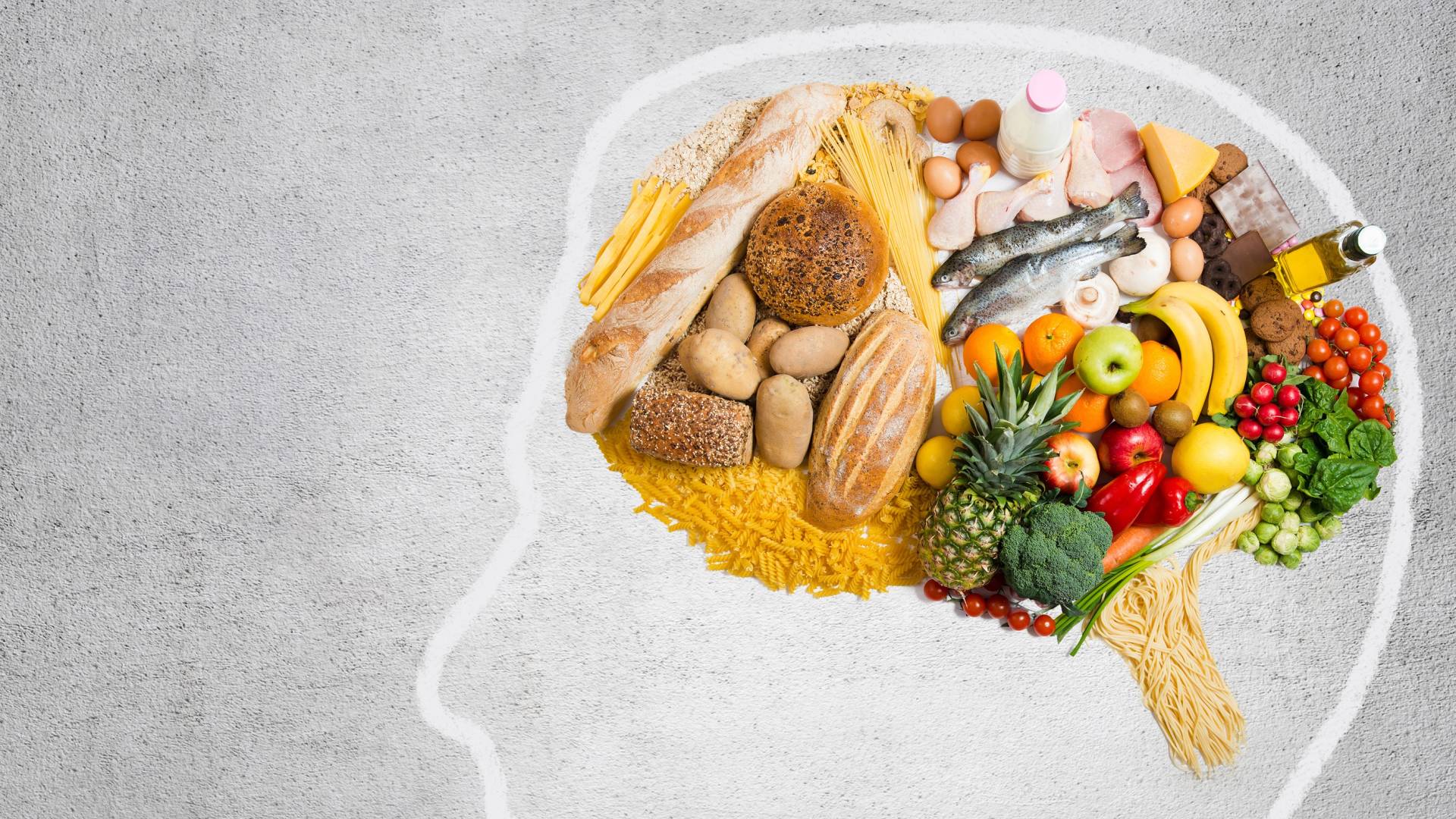
Whole foods arranged for a nutrition lesson
04 / Inside the DFND

Twelve modules,
then real practice.

The diploma is taught in sequence, from what food is made of to how a diet changes with a life stage or a condition, and it ends with two months of supervised work rather than a certificate and a handshake.

Module 1

Fundamentals of nutrition

  • Macronutrients and micronutrients
  • BMR, IBW and BMI
  • Menu planning and RDA
Module 2

Food science

  • Cereals, pulses, nuts and oilseeds
  • Milk, eggs and flesh foods
  • Fruits, vegetables, sugar and oil
Module 3

Anatomy and physiology

  • Digestive and excretory systems
  • Cardiovascular and endocrine systems
  • The integumentary system
Module 4

Lifecycle nutrition

  • Pregnancy and infancy
  • Children and adolescents
  • Adults and older people
Modules 5 to 8

Medical nutrition therapy

  • Therapeutic diets
  • Diabetes, obesity, CVD, kidney and liver
  • ICU, post-surgery and burns
Module 9

Skin and hair nutrition

  • Anti-ageing diet
  • Acne, melasma, eczema, psoriasis
  • Hair fall and androgenic alopecia
Module 10

Psychiatry nutrition

  • Nutrition for the brain
  • The gut and brain connection
  • Anxiety and depression
Module 11

Gynaecology nutrition

  • PMS and PCOD
  • Menopause and infertility
  • Endometriosis
Module 12

Ayurvedic nutrition

  • Body types and prakriti
  • Vata, pitta and kapha diets
  • The nine elements of the body
Internship

Two months of supervised practice

  • Internal or external placement
  • Pre-assigned presentation topics
  • Assignment submission
Assessment

A clear benchmark

  • 40% minimum passing marks
  • Continuous progress tracking
  • Presentations throughout
Included

Re-attend without paying again

  • Attend sessions again at no extra cost
  • Course material to keep
  • Lifetime academic guidance
05 / How it is taught

Nutrition is not learned by
memorising food tables.

Anyone can look up how much protein is in a hundred grams of anything. What takes teaching is deciding what a particular person should eat, given their condition, their budget, their household, and the fact that they will not follow a plan they dislike.

The judgement

Deciding what to advise, and for whom

Assessment before advice. How to take a history, what to look for, when a symptom points to a supply problem and when it does not, and where your own boundary is: the point at which the honest answer is a referral rather than a plan.

The application

Turning it into a plan someone will follow

Real cases, carried through the programme rather than shown at the end. Indian diets, Indian households, and the practical constraints that decide whether advice survives contact with the person receiving it.

The method is the same one we use across the institute: understand the concept, see it applied to a real person, then do it yourself. Every DFND student is given presentation topics in advance, so the class is participating rather than listening.

There is no procedure to perform in nutrition, so we do not borrow the hands-on claim we make for the aesthetic programmes. What carries the learning instead is case work and, for DFND, two months of supervised practice with real people.

“The best hands-on I have seen anywhere.”

What our students say about the aesthetic programmes, across 1,000+ Google reviews averaging 4.9. The nutrition programmes are taught by the same institute, to the same method. Read them by centre.
Mechanism of Action of Glutathione for SkinFaculty lecture · 1 hr 39 min

A real I2CAN faculty lecture on glutathione and the skin: nutrition and aesthetics in the same room.

Food, the body and the classroom

See the full gallery
Whole food, not supplements
Planning a diet
Planning a diet
Nutrition and mental health
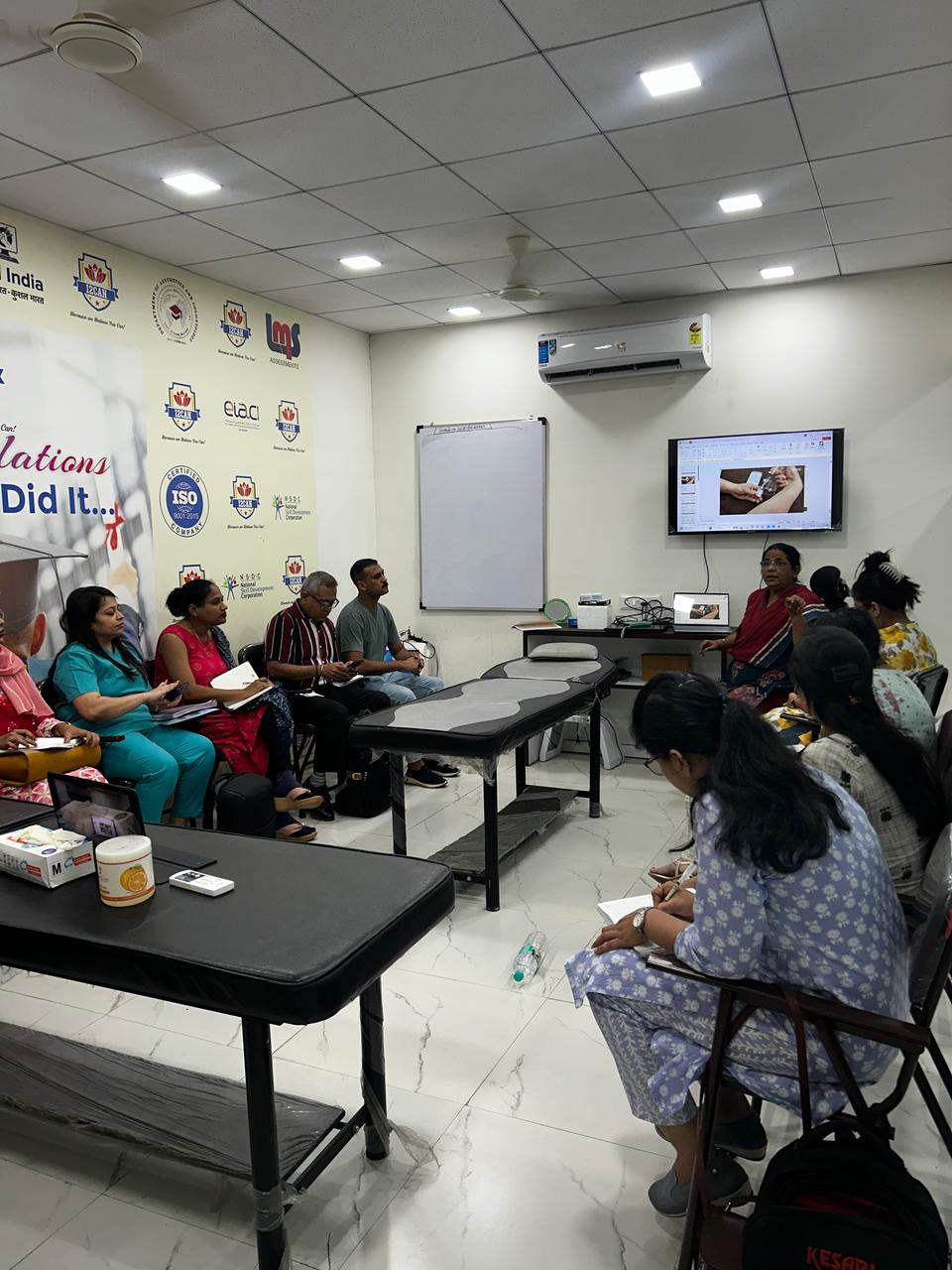
An I2CAN classroom
An I2CAN classroom
06 / The long view

The programme ends.
The relationship does not.

The questions that matter tend to arrive later: the client whose hair fall will not settle, the one who has read something alarming online, the case that does not match anything in the notes.

  1. Learn

    Get the grounding

    Twelve modules in sequence, or one focused month on skin and hair.

  2. Practise

    Work with real people

    Two months of supervised internship for DFND, internal or external.

  3. Apply

    Offer it as a service

    A consultation or a plan attached to work you already do.

  4. Grow

    Stay current

    Come back to sessions, ask the group, keep your advice up to date.

07 / What you are certified by

Each programme carries an I2CAN qualification.

DFND and the Diploma in Skin & Hair Nutrition lead to an I2CAN diploma, and the GLP-1 course ends in a final competency evaluation. The institute’s own certifications are listed alongside.

These are vocational qualifications, not university degrees, and DFND does not lead to registration as a dietitian. No accreditation I2CAN holds confers any right to practise.

  • ISO 9001:2015
  • International Accreditation Organization
  • International Accreditation Forum
08 / From people who trained here

In their
own words.

Recorded by I2CAN students across our centres. Written reviews, unedited, are on our Google listings.

Journey to ExcellenceI2CAN student stories
Empowering MindsI2CAN student testimonials
09 / Common questions

Questions people ask
about nutrition.

Answered fully here rather than behind an enquiry form.

Choosing between the two

I already do cosmetology or aesthetic work. Which one is for me?

The Diploma in Skin & Hair Nutrition. It is built to sit on top of what you already do, it is the shorter of the two, and it is designed as an addition to an existing practice rather than a qualification on its own.

I want to work in nutrition. Where do I start?

The Diploma in Food Nutrition & Dietetics. It assumes no background, and the two-month internship at the end is the part that turns study into something you have actually done.

Can I take both?

Yes, though DFND already contains a skin and hair nutrition module. The more common combination is Skin & Hair Nutrition alongside an aesthetic medicine or cosmetology diploma. A counsellor will tell you plainly if a second programme would add nothing.

What you may actually do

What may I do after the Food Nutrition & Dietetics diploma?

Hold an informed conversation with a client about food and eating, and offer general, everyday nutrition guidance to broadly healthy people who want to eat better. Advising someone around a diagnosed medical condition is clinical work that belongs with their doctor. Knowing where that line sits is part of practising well. The eligibility guide covers scope of practice across every programme.

Does the diploma make me a registered dietitian?

No. It is a vocational diploma, not a university degree, and it does not lead to registration as a dietitian. What it is, is a real first qualification with supervised practice attached.

Can a non-doctor take Skin & Hair Nutrition?

Yes. It is open to doctors and non-doctors alike, and it is one of the few ways a non-medical practitioner can improve a client’s result without going anywhere near a procedure they are not permitted to perform.

Format and assessment

What happens during the two-month internship?

Supervised work with real people, internal or external, alongside pre-assigned presentation topics and an assignment. It is what separates having studied nutrition from having done it.

How am I assessed?

Against a clear benchmark of 40% minimum passing marks, with progress tracked through presentations and assignments rather than one examination at the end.

Can I keep working while I study?

Yes. Tell your counsellor what your week looks like when you enquire; batches and formats are planned so that people already working can attend.

Afterwards

Can I re-attend sessions later?

Yes. You may attend sessions again in a future batch without paying again, subject to seat availability.

What can I actually charge for?

For practitioners, a nutrition assessment and plan offered as part of a treatment package. For DFND graduates, general nutrition guidance and consultations within the boundary described above. None of it needs equipment, premises or stock, which is why it can start earning sooner than anything else on this site.

Do you help with jobs?

I2CAN is not a placement agency and does not promise placement. We do give interview guidance, and the internship is often where graduates make their first professional contacts.

The first conversation

Costs nothing, and commits you to nothing.

Tell us what you do now and what you are picturing. If one of the two fits, we will say which and why. If the honest answer is an aesthetic course with nutrition added on top, we will say that instead. It is better said now than after you have paid.

Request a call back

No pressure, no spam.

We respect your privacy. Your details are never shared.

Get course details - talk to an expert Start