Referral programme →

Home  /  Courses for doctors  /  CMM

Admissions openFor registered medical practitioners · 4-day classroom, Pune

Certificate in Microblading & Micropigmentation.

CMM · semi-permanent pigmentation, taught for clinical practice

Brows, lips, scalp micropigmentation and vitiligo camouflage, taught with the judgement the work needs: contraindications, patch testing, consent and aftercare alongside technique.

  • Three of the four days are hands-on
  • Brows, lips, scalp, vitiligo and beauty spot
  • Safety, consent and aftercare in every module

Talk to a course advisor

Batch dates, fees and the full curriculum, on a call.

We respect your privacy. Your details are never shared.

4 daysClassroom programme
9 AM to 5 PMFull training days
3 days hands-onAfter a day of theory
5 modulesBrows to scalp
PuneI2CAN head office
01 / The course

Precision pigment work, with medical judgement.

CMM teaches doctors to plan and perform microblading and micropigmentation: semi-permanent eyebrows, lip colour and liner, scalp micropigmentation, vitiligo patch camouflage and the permanent beauty spot. Day one is theory, from the colour wheel and mixing pigment to the tools. The next three days are hands-on.

Diagram of brow mapping: three guide lines from the side of the nose mark where the brow starts, arches and ends 1 2 3
1Start in line with the side of the nose 2Arch on the line through the pupil 3Tail on the line past the outer corner of the eye
Mapped, then pigmentedCompass mapping is taught before any technique
02 / Who it is for

For doctors adding
a precise, visible skill.

The course is open to registered medical practitioners. It fits most naturally into practices that already see the patients these procedures help.

Dermatologists and cosmetologists

Add vitiligo patch camouflage, brows and lips to a skin practice.

Trichologists and hair-restoration doctors

Offer scalp micropigmentation alongside the treatment of hair loss.

Aesthetic physicians

Extend an injectables and device practice with semi-permanent work.

PGDAM graduates

Add a focused, hands-on capability to the aesthetic training you hold.

Eligibility: registered medical practitioners. What any doctor may perform afterwards depends on their own qualification. See the eligibility guide.

03 / Why learn it

A cosmetic procedure with clinical decisions in it.

Microblading and micropigmentation procedures are increasingly popular. Every one of them places pigment in the skin, and that brings medical questions with it: contraindications, drug interactions, allergic reactions and patch testing, consent, and how the skin heals and holds pigment.

Some of the work is restorative as well as cosmetic. Vitiligo camouflage and scalp micropigmentation for hair loss start with patient selection, which is where a doctor’s training counts.

MedicalContraindications, drug interactions and patch testing in every case
RestorativeVitiligo camouflage and scalp work for hair loss
PlannedMapped and measured before any pigment is placed
OngoingTouch-ups and maintenance built into every treatment
What you can offer afterwards
Semi-permanent eyebrows
Lip colour
Lip liner
Scalp micropigmentation
Vitiligo patch camouflage
Permanent beauty spot
Correction of earlier work
Touch-up and maintenance
04 / Curriculum

Five modules,
foundations first.

The foundations module covers safety, consent, pigment and mapping for every area. Each treatment module then ends with a demonstration and hands-on practice. Open any module to see every topic.

01 Module 01 · 5 topic groupsFoundations, Safety & PigmentSkin, consent, contraindications, colour theory and the tools

Introduction

  • Introduction to micropigmentation and microblading
  • Skin problems
  • Skin–pigment retention
  • Recovery process

Safety and consent

  • Workplace hygiene and sanitation
  • Contraindications
  • Health issues and drug interactions
  • Allergic reactions and patch testing
  • Consent agreements
  • Pre- and post-procedure care

Consultation, mapping

  • Patient consultation
  • Mapping using a compass

Pigment and technique

  • Colour theory
  • Proper methods for mixing pigment
  • How to stretch skin properly
  • Correct posture and patient positioning
  • Pattern practice on practice skin

Building the service

  • Starting your own practice
  • Developing a portfolio
02 Module 02 · 4 topic groupsEyebrowsMapping, shaping, microblading and shaded techniques

Mapping and shaping

  • Eyebrow mapping techniques
  • Correct brow shaping

Techniques

  • Microblading
  • Ombré brows
  • Powder brows
  • Hybrid brows
  • Nano strokes

Correction and care

  • Fixing errors and camouflage
  • Healing process and aftercare
  • Touch-up and maintenance

Practical

  • Treatment demonstration
  • Hands-on
03 Module 03 · 4 topic groupsLipsColour selection, shaping, lip colour and lip liner

Planning

  • Colour selection for lip micropigmentation
  • Shaping and positioning

Techniques

  • Ombré technique
  • Powder technique
  • Lip liner
  • Colour correction

Care

  • Healing process and aftercare
  • Touch-up and maintenance

Practical

  • Treatment demonstration
  • Hands-on
04 Module 04 · 3 topic groupsVitiligo & Beauty SpotIndications, patient selection and camouflage technique

Clinical

  • Indications
  • Patient selection
  • Procedure details

Technique and care

  • Colour correction
  • Healing process and aftercare
  • Touch-up and maintenance

Practical

  • Treatment demonstration
  • Hands-on
05 Module 05 · 4 topic groupsScalp MicropigmentationHairline design, density and treating hair-loss types

Planning

  • Planning a procedure over sessions
  • Designing hairlines
  • Treating different hair-loss types
  • Pre-treatment advice

Technique

  • Treatment density and spacing
  • Machine practice

Care

  • Treatment aftercare

Practical

  • Video demonstration
  • Treatment demonstration
  • Hands-on

The full curriculum is in the course brochure. A course advisor can also send it with the next batch dates.

Request curriculum
05 / Skills & techniques

What you will be able
to do.

The skills the course builds, grouped the way you will use them with a patient: assess and plan, choose and mix the pigment, perform the technique, then keep it safe and lasting.

01

Assessment & planning

  • Patient consultation
  • Contraindications and drug interactions
  • Brow mapping with a compass, for symmetry
  • Correct brow shaping
  • Hairline design for scalp work
  • Planning treatment over sessions
02

Pigment science

  • Colour theory and the colour wheel
  • Mixing pigment correctly
  • Skin–pigment retention
  • Colour selection for brows and lips
  • Colour correction
03

Technique

  • Microblading strokes
  • Ombré, powder and hybrid brows
  • Nano strokes
  • Lip colour and lip liner
  • Density and spacing in scalp work
  • Skin stretching, posture and positioning
04

Safety & aftercare

  • Hygiene and sanitation
  • Allergy and patch testing
  • Consent agreements
  • Healing and aftercare
  • Touch-up and maintenance
  • Fixing errors and camouflage
See every topic, session by sessionOur course advisor will send the curriculum with the next batch dates.
06 / Hands-on training

One day of theory,
three days hands-on.

The course moves from understanding to practice in a fixed order, so that by the time you work hands-on you have mapped, mixed and rehearsed the pattern.

  1. Theory

    Day one: the colour wheel, mixing pigment, the tools, and the safety and consent every procedure needs.

  2. Practice skin

    Patterns rehearsed on practice materials, with correct skin stretching, posture and positioning.

  3. Demonstration

    A treatment demonstration for each area, from mapping to aftercare advice.

  4. Hands-on

    Days two to four: supervised hands-on practice in every treatment module.
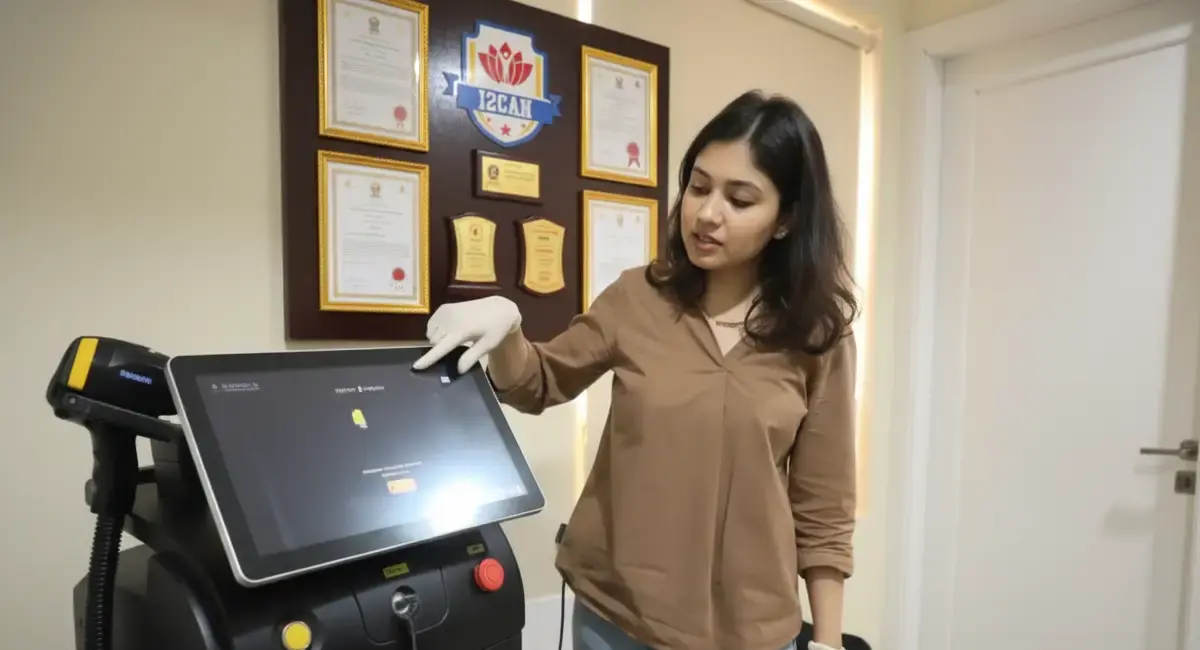
Course format

Duration and learning format

Duration
4 days
Timings
9 AM to 5 PM
Day 1
Theory and tools
Days 2 to 4
Hands-on
Format
Classroom, I2CAN Pune
Online
Not available
Kits
Optional, at extra cost
Apply now
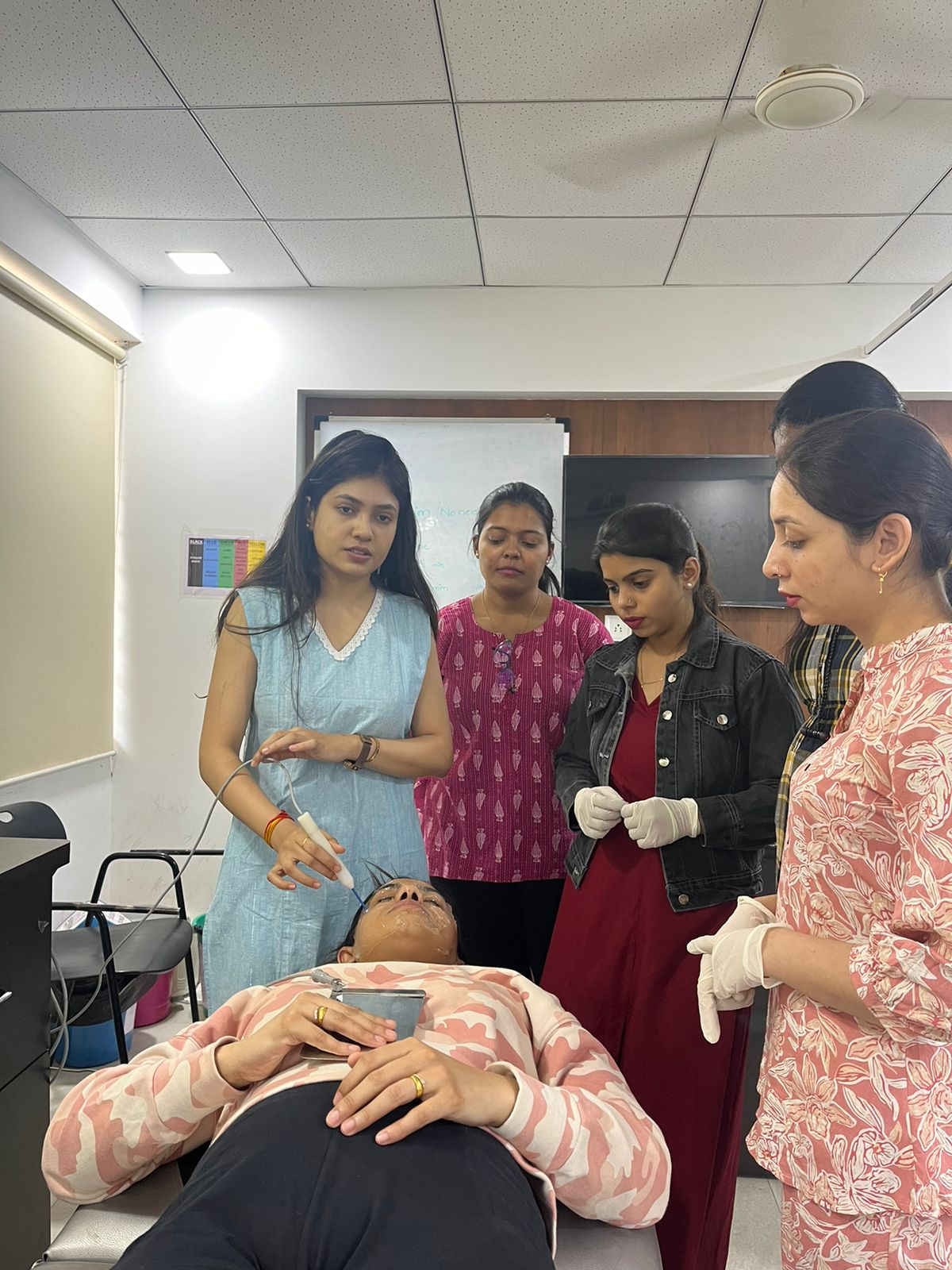
An I2CAN instructor demonstrating to doctors in training
Faculty-led demonstration
A faculty-led discussion with doctors at I2CAN
Small-group teaching
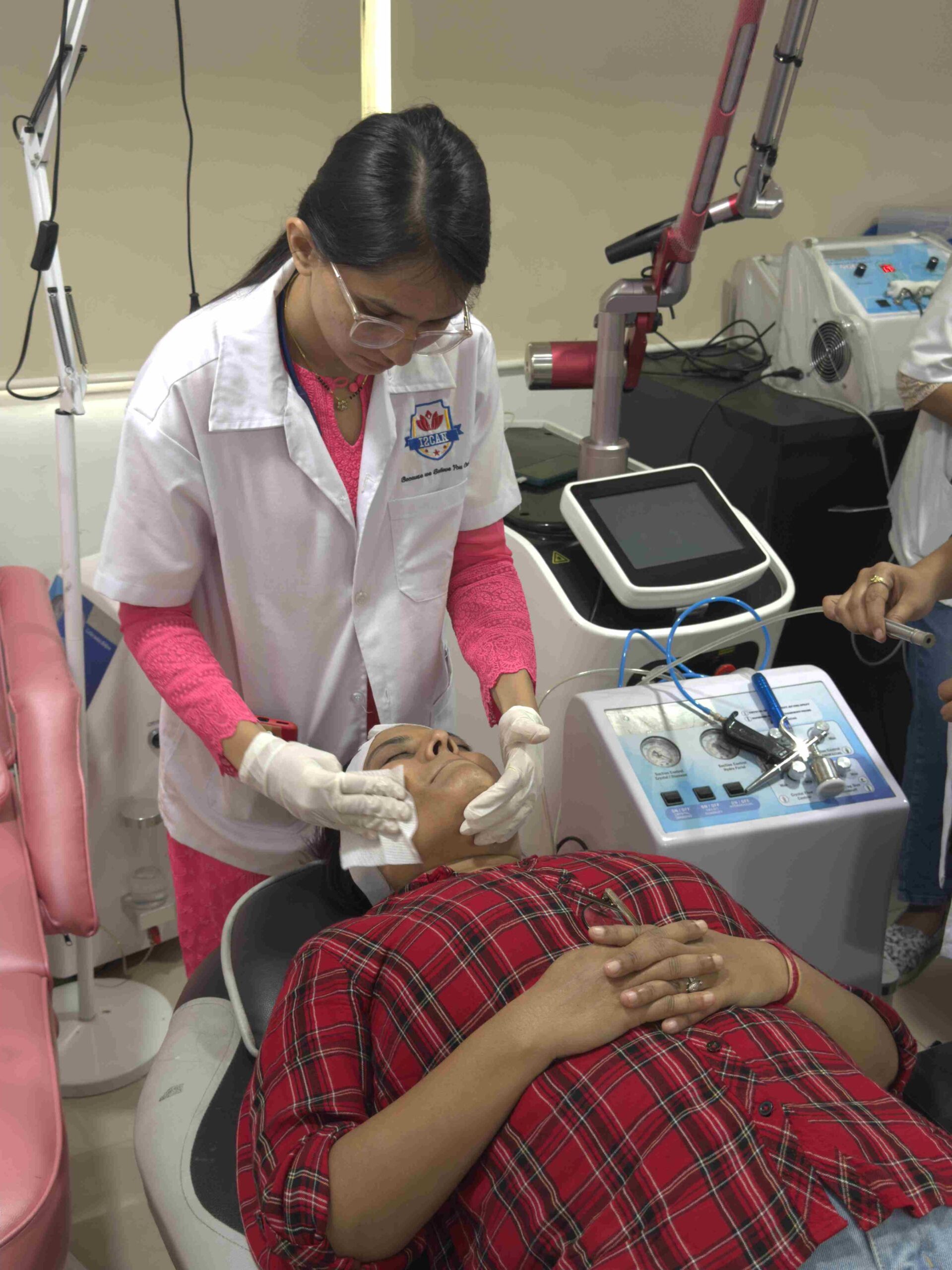
A doctor in a supervised practical session at I2CAN
Supervised practice
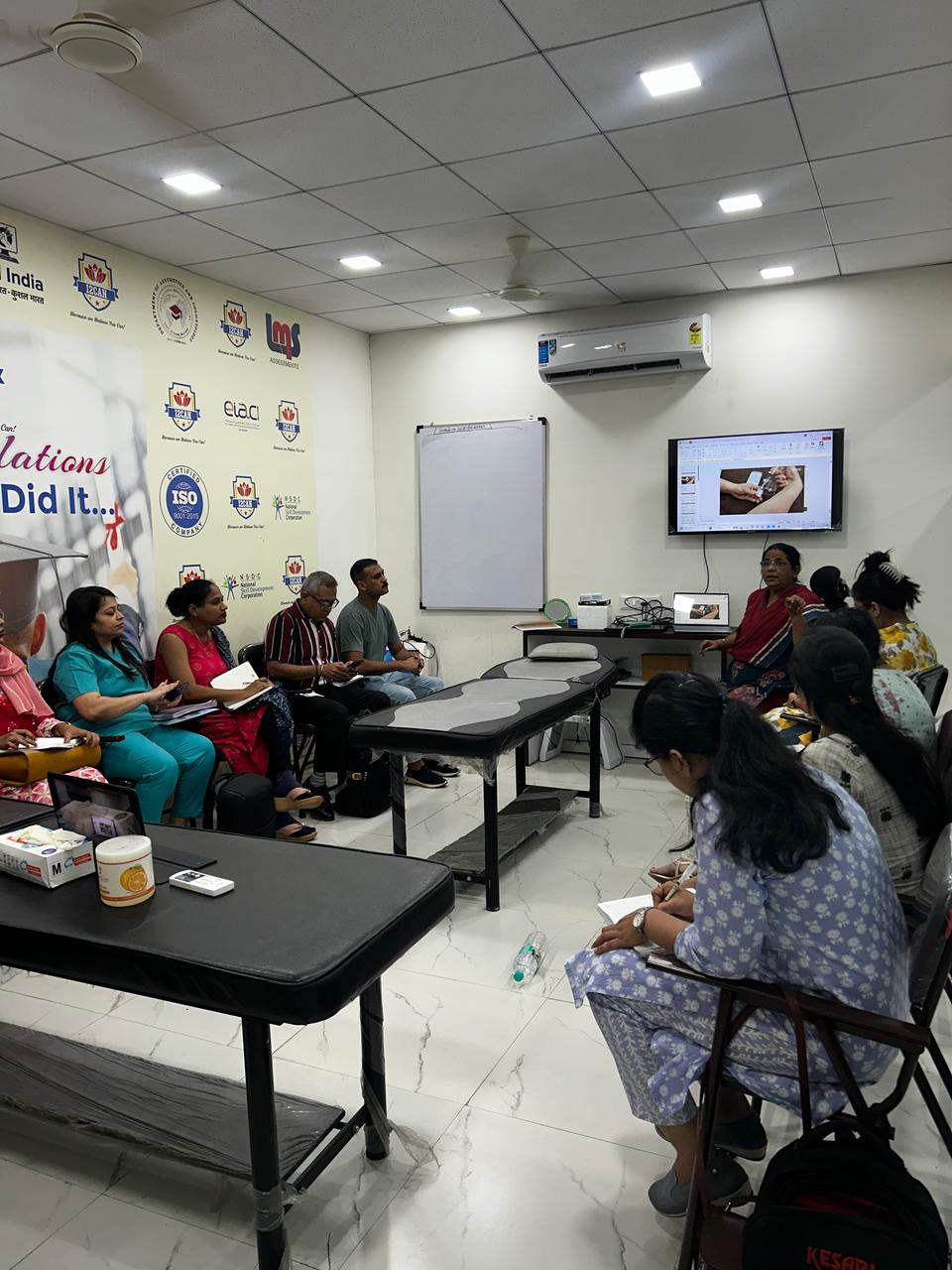
An I2CAN classroom session for doctors
Small batchesTime at the practice skin with faculty
07 / Faculty & training experience

Taught by certified faculty, at the workstation.

CMM is taught by I2CAN’s certified faculty, who demonstrate each technique and then supervise you as you practise it yourself.

  • Demonstration, then practiceEvery treatment area is demonstrated before you work on it yourself.
  • A detailed, comprehensive courseTheory, practical and practice in one programme, with the curriculum in writing.
  • Support after the courseWhatsApp access to expert doctors for clinical queries once you begin treating.
08 / Certification

An I2CAN certificate, from an accredited institute.

On completion you receive the I2CAN Certificate in Microblading and Micropigmentation, from an institute that has trained doctors in aesthetic medicine since 2016, across four centres.

  • ISO 9001:2015
  • International Accreditation Organization
  • International Accreditation Forum
  • 1,000+ Google reviews, 4.9 average

CMM is a vocational certificate, not a university qualification. No accreditation I2CAN holds confers any right to practise; that is set by your own medical registration.

Doctors with their I2CAN certificates

A decade of training doctors

I2CAN has taught aesthetic medicine to doctors since 2016, at centres in Pune, Navi Mumbai, Mathura and Hyderabad.

Talk to a course advisor
09 / Why I2CAN

Training that continues after the course.

  • Hands-on experience with certified faculty
  • WhatsApp support for clinical queries
  • End-to-end help setting up the service
  • Machine and product procurement support
  • Detailed, comprehensive course content
  • Marketing and business development support
10 / In your practice

How doctors use it
afterwards.

Where CMM fits once you are back in your own clinic. I2CAN is not a placement agency; the course is designed for doctors adding a service to their own practice.

01

Alongside dermatology

Offer vitiligo patch camouflage to patients for whom it is suitable, with patient selection you can stand behind.

02

Alongside hair restoration

Scalp micropigmentation planned over sessions, for different types of hair loss.

03

A semi-permanent service

Brows, lip colour and lip liner as a distinct service in an aesthetic practice.

04

Correction work

Fixing errors and camouflaging earlier work, using colour correction.

05

Continuing care

Touch-ups and maintenance bring patients back on a planned schedule.

06

Setting up the service

Starting the practice and building a portfolio are taught on the course, and I2CAN supports set-up afterwards.

11 / Learner experiences

From students
who trained here.

Recorded by I2CAN students across our centres. Written reviews, unedited, are on our Google listings.

Journey to ExcellenceI2CAN student stories
Empowering MindsI2CAN student testimonials
12 / Common questions

What doctors ask
before enrolling.

Answered fully here. Anything else, our course advisor will answer on a call.

What is the Certificate in Microblading and Micropigmentation?

A four-day classroom programme for doctors in semi-permanent pigmentation: eyebrows, lip colour and lip liner, scalp micropigmentation, vitiligo patch camouflage and the permanent beauty spot. The first day covers the theory, including the colour wheel, mixing pigment and using the tools; the remaining three days are hands-on.

Why would a doctor take this course?

Because the work carries medical decisions: contraindications, drug interactions, allergic reactions and patch testing, consent, and patient selection for vitiligo camouflage and scalp micropigmentation in different types of hair loss. A doctor can make those decisions and add the procedures to an existing dermatology, trichology or aesthetic practice.

Who can enrol?

Registered medical practitioners. What any doctor may perform afterwards depends on their own qualification; the eligibility guide explains which qualification permits which procedure.

How long is the course, and where?

Four days in the classroom, 9 AM to 5 PM, at I2CAN Pune. The course is not offered online.

How much of it is hands-on?

Three of the four days. You practise patterns on practice skin first, watch a treatment demonstration for each area, and then work hands-on under supervision in every module.

Which techniques are covered?

For eyebrows: microblading, ombré, powder and hybrid brows, and nano strokes. For lips: ombré and powder techniques, lip liner and colour correction. Scalp micropigmentation covers hairline design, density and spacing, and machine practice.

Do I need my own kit?

No. Micropigmentation and microblading kits can be provided as an option, at extra cost. Your course advisor will explain what is included.

What certificate do I receive?

An I2CAN Certificate in Microblading and Micropigmentation. I2CAN is certified under ISO 9001:2015 and accredited by the International Accreditation Organization and the International Accreditation Forum. No accreditation I2CAN holds confers any right to practise; that is set by your own medical registration.

What support do I get afterwards?

WhatsApp-based support from expert doctors for clinical queries, help setting up the service, including procurement of machines and products, and marketing and business guidance.

What are the fees?

Fees and payment options are shared by a course advisor on a call or on WhatsApp, along with the next batch dates.

Admissions

Add microblading and micropigmentation to your practice.

Tell us your qualification and what you are planning. Our course advisor will share the next batch dates, fees and the full curriculum, and tell you plainly if CMM is the right next step.

Get course information

No pressure, no spam.

We respect your privacy. Your details are never shared.

Get course details - talk to an expert Start