
Gynaecologists and obstetricians
Offer non-surgical options for post-pregnancy and age-related concerns your patients already raise.
Home / Courses for doctors / CAG
Admissions openFor registered medical practitioners · 4-day classroom, Pune
CAG · non-surgical intimate aesthetics for doctors
A focused clinical programme in a practice area where patient demand is growing and trained practitioners are few: anatomy, assessment, and non-surgical treatment from PRP to fractional CO2.
Batch dates, fees and the full syllabus, on a call.
CAG teaches doctors to assess and treat intimate health and aesthetic concerns without surgery. It begins with anatomy and physiology, moves through the conditions women present with, and ends with the procedures used to treat them, and how to choose between them.
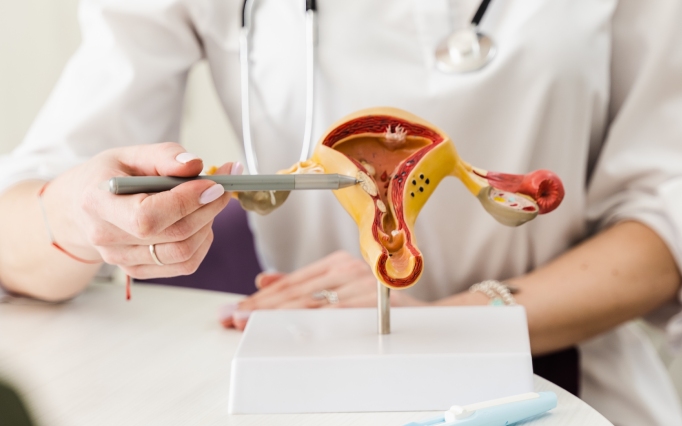
The course suits doctors who already see these presentations and want a structured, non-surgical answer to them, and aesthetic doctors extending into a new service.
Offer non-surgical options for post-pregnancy and age-related concerns your patients already raise.
Extend an existing device-based practice into a distinct, under-served area.
Build a women’s-health service with clear patient selection and referral boundaries.
Add a focused capability to the aesthetic medicine training you already hold.
Eligibility: registered medical practitioners. What any doctor may perform afterwards depends on their own qualification. See the eligibility guide.
Laxity after childbirth, dryness, stress incontinence and changes with age are common, and they affect comfort, confidence and quality of life. They are also concerns patients are often reluctant to raise, and that few clinics offer a structured, non-surgical answer to.
A doctor trained to assess them properly, explain the options and treat within clear boundaries can offer something most practices cannot.
Three modules taught in sequence over four days: the foundations, assessment and patient selection, then procedures and home care. Open any module to see every topic.
The full syllabus, with session-wise detail, is in the course brochure.
Download the syllabusEach procedure is taught with its indications, patient selection, protocol and aftercare, so that you can choose between them rather than default to one.
Regenerative treatment for rejuvenation and sensation, with preparation and protocol.
CoveredIndications, solution selection and technique for intimate rejuvenation.
CoveredNon-invasive tightening: patient selection, parameters and expected outcomes.
CoveredApplication of fractional CO2 for vaginal rejuvenation and laxity.
ApplicationLightening and brightening of the intimate area, with aftercare.
CoveredIndications and principles in aesthetic gynaecology.
Fundamentals onlyFour full days in the classroom, following the method we use across the institute: understand the concept, see it applied, then practise it under supervision.
Anatomy, physiology and the conditions, so every later decision rests on the right foundation.
Counselling, examination and diagnosing the cause before any procedure is chosen.
Demonstrations and supervised practice with the devices and products used in clinic.
Finalising treatment, combining procedures and setting home-care routines patients follow.
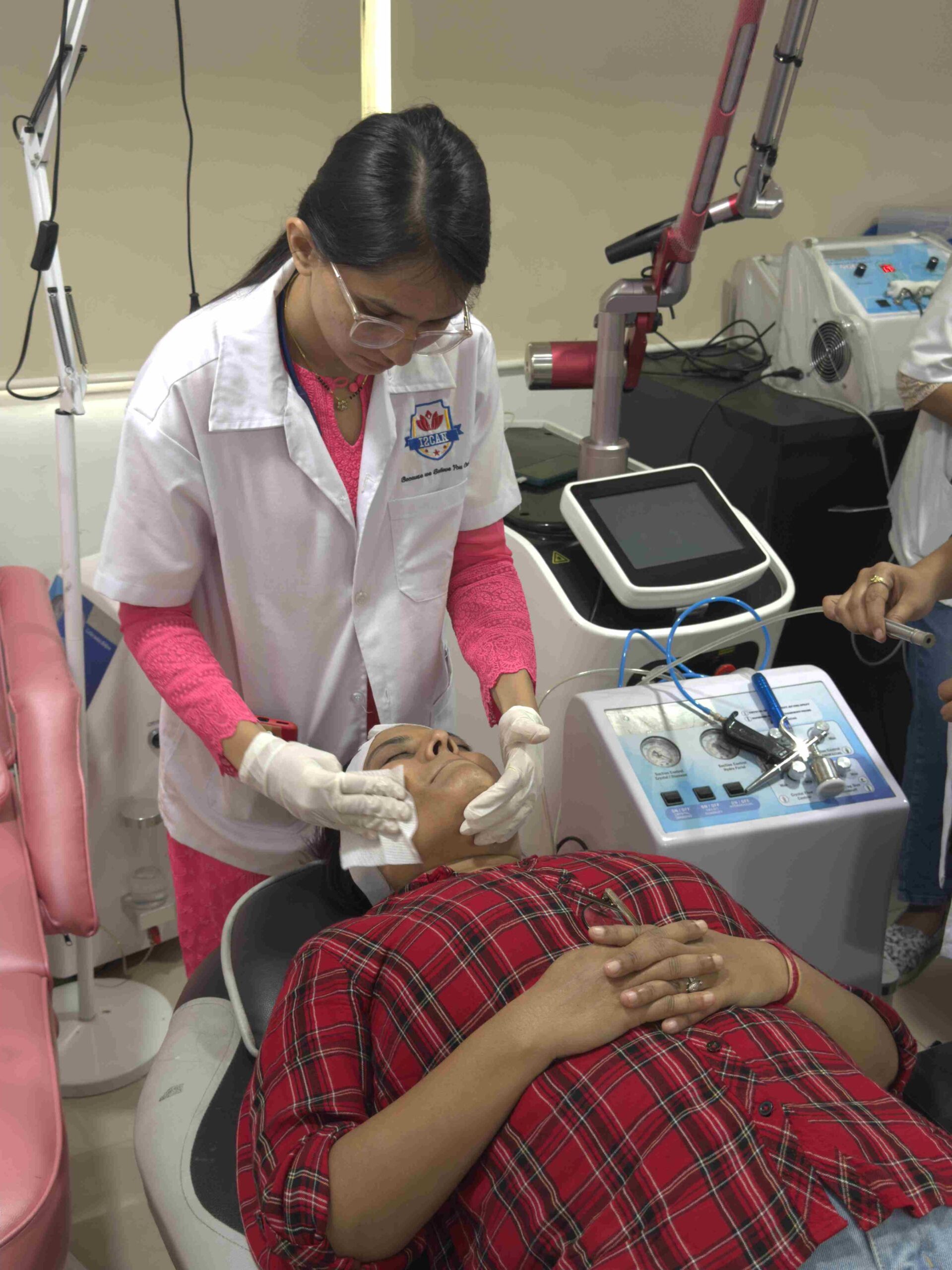
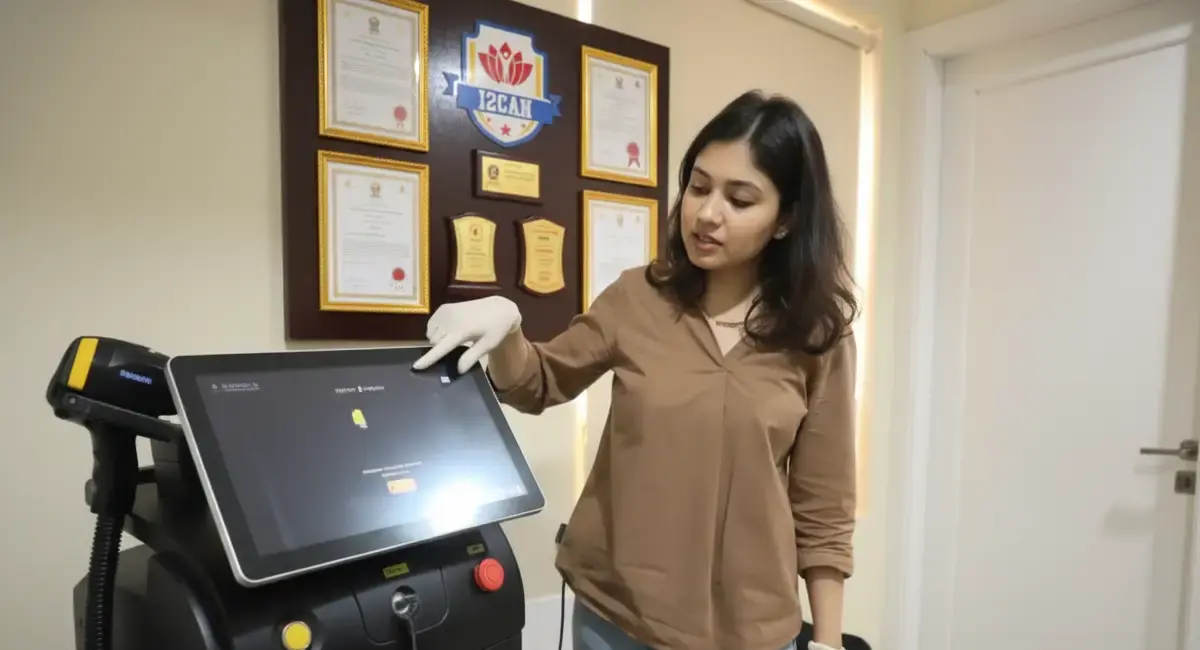
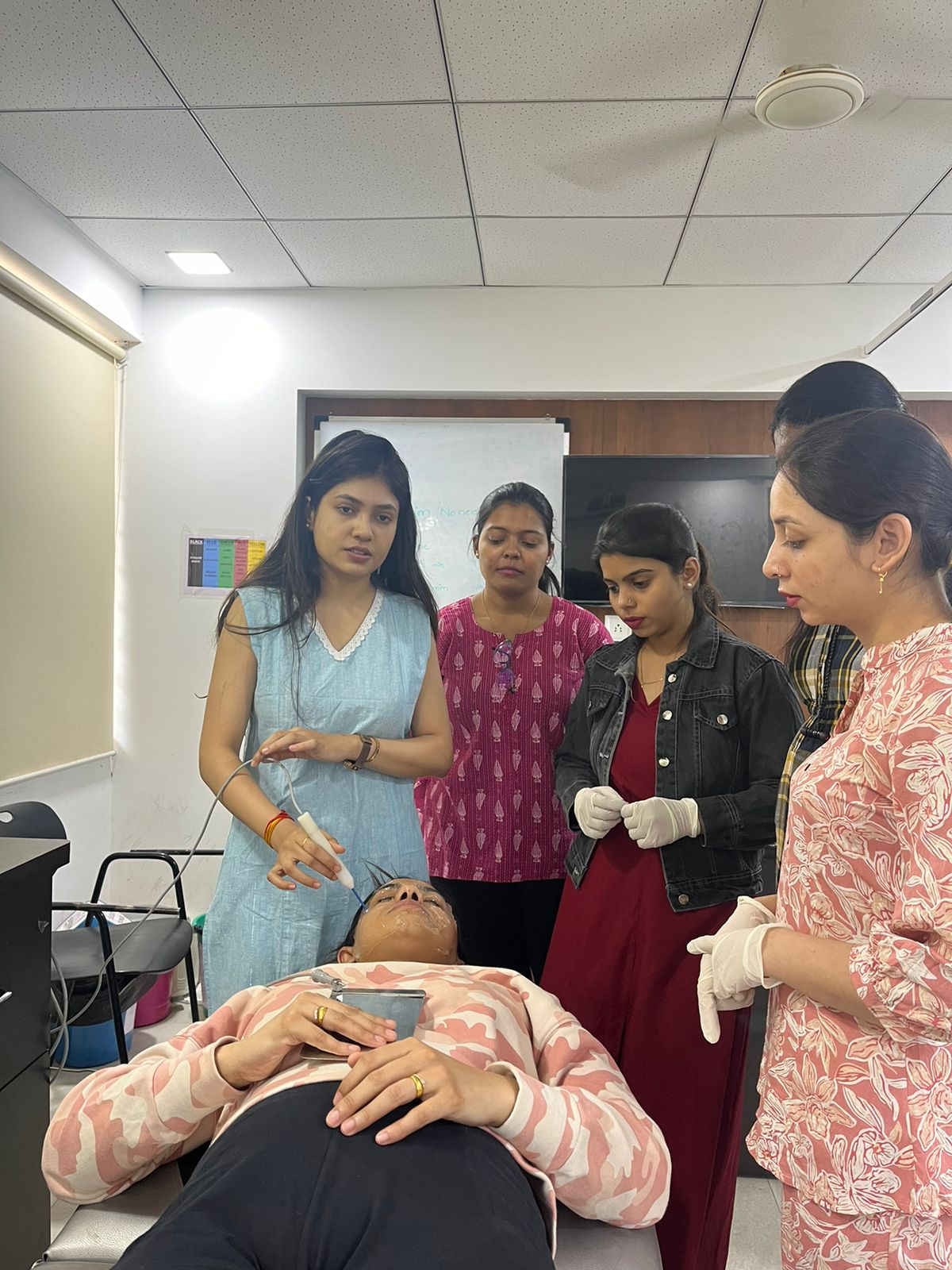
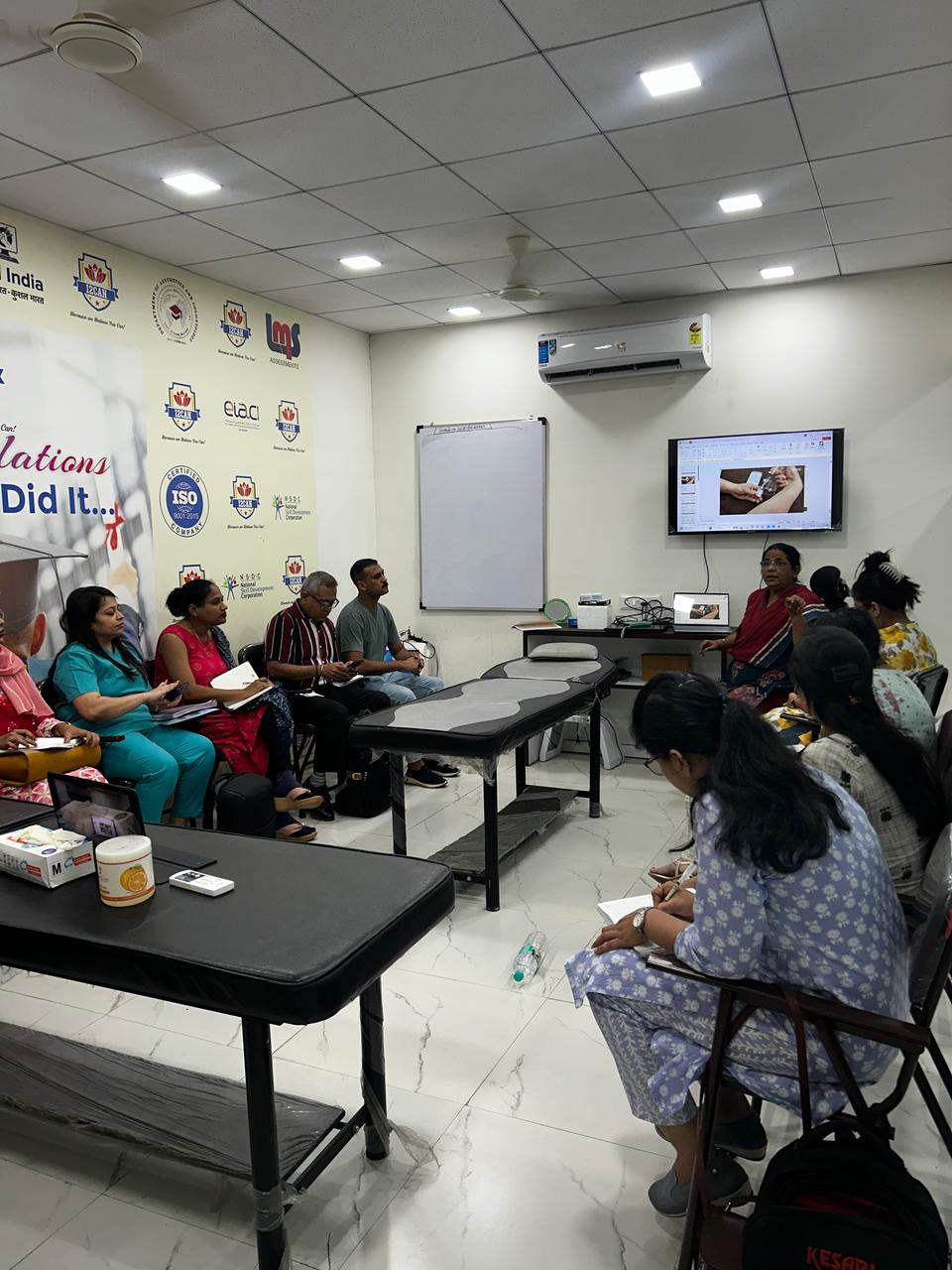
CAG is taught by I2CAN’s clinical faculty: practitioners who perform these treatments and teach them with the protocols they use themselves.
On completion you receive the I2CAN Certificate in Aesthetic Gynaecology, from an institute that has trained doctors in aesthetic medicine since 2016, across four centres.
CAG is a vocational certificate, not a university qualification. No accreditation I2CAN holds confers any right to practise; that is set by your own medical registration.

How doctors use CAG once they are back in their own clinic or hospital.
Add intimate wellness treatments to a gynaecology, dermatology or aesthetic practice.
Answer concerns patients already bring, with a structured assessment and clear options.
A specialised service that sets your practice apart and builds on referrals.
Pairs with PGDAM for doctors building a full aesthetic practice. About PGDAM.
Faculty and fellow doctors to consult as you begin treating patients.
Help choosing and sourcing the devices and products for the service.
I2CAN has taught aesthetic medicine to doctors since 2016, at centres in Pune, Navi Mumbai, Mathura and Hyderabad, with the same protocols in every batch.
Talk to a course advisorRecorded by I2CAN students across our centres. Written reviews, unedited, are on our Google listings.
More student testimonials Google reviews, by centre Training gallery
Answered fully here. Anything else, our course advisor will answer on a call.
A four-day classroom programme for doctors in non-surgical intimate aesthetics: the anatomy, the conditions, patient selection and counselling, and treatment with PRP, mesotherapy, HIFU, fractional CO2 and peels. Every procedure taught is non-surgical.
Registered medical practitioners. Gynaecologists, dermatologists, aesthetic physicians and general practitioners building a women’s-health practice all take it. What any doctor may perform afterwards depends on their own qualification; the eligibility guide explains which qualification permits which procedure.
Four days in the classroom, 9 AM to 4 PM, at I2CAN Pune. The course is not offered online.
Yes. Theory is followed by demonstrations and supervised practice on the devices used for these treatments. Ask your counsellor about the practical component of the batch you are joining.
No. Botox and fillers are covered as fundamentals only, as they apply to aesthetic gynaecology, without hands-on practice.
No. The course starts with anatomy and physiology. Doctors who have completed, or plan to take, the Post Graduate Diploma in Aesthetic Medicine (PGDAM) often add CAG to extend an aesthetic practice.
An I2CAN Certificate in Aesthetic Gynaecology. I2CAN is certified under ISO 9001:2015 and accredited by the International Accreditation Organization and the International Accreditation Forum. No accreditation I2CAN holds confers any right to practise; that is set by your own medical registration.
WhatsApp-based support from expert doctors for clinical queries, guidance on equipment and products for setting up the service, and help with marketing it.
Free re-attendance applies to I2CAN’s diploma programmes. For CAG, ask your counsellor about attending a future batch.
Fees and payment options are shared by a counsellor on a call or on WhatsApp, along with the next batch dates.
Tell us your qualification and what you are planning. Our course advisor will share the next batch dates, fees and the full syllabus, and tell you plainly if CAG is the right next step.
No pressure, no spam.