Referral programme →

Home  /  Nutrition courses  /  DFND

Admissions openNo nutrition background needed · Classroom + online support

Diploma in Food, Nutrition & Dietetics.

DFND · nutrition, diet planning and wellness, from the fundamentals

Learn how food works in the body and how to plan diets for real people: nutrients and food science, the body’s systems, nutrition at every stage of life, therapeutic diets and specialised areas from skin and hair to Ayurveda, followed by a two-month internship.

  • Starts from the fundamentals of nutrition
  • Diet plans for every stage of life
  • Two-month internship, internal or external

Talk to a course advisor

Batch dates, fees and the full syllabus, on a call.

We respect your privacy. Your details are never shared.

12 modulesFundamentals to specialised areas
2-month internshipInternal or external
PresentationsTopics for every student
40% pass markA clear benchmark
FreeAttend sessions again
01 / The course

Food, the body, and the plan in between.

Food affects how we grow, feel and stay well. DFND explains it step by step: what nutrients and calories are, what everyday foods contain, how the body digests and uses them, and how needs change from pregnancy to old age. Later modules apply this to therapeutic diets and specialised areas, and a two-month internship puts it into practice.
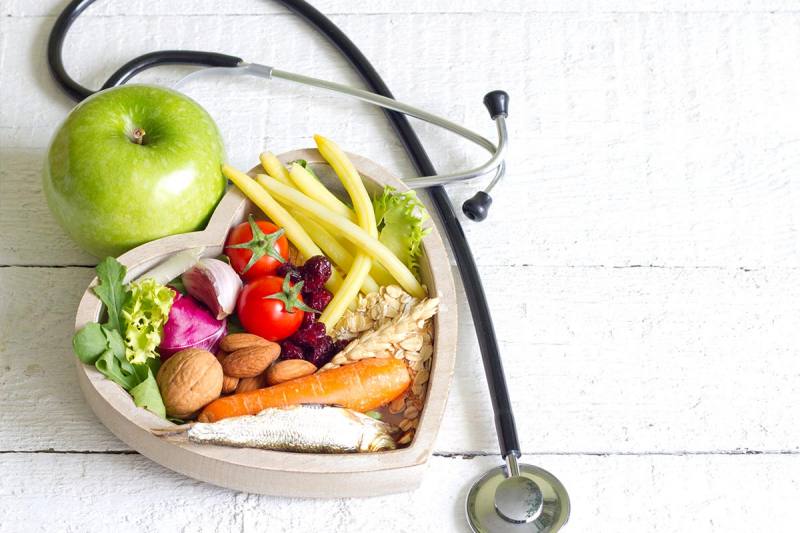
A bowl of fresh vegetables, fruit and grains beside a stethoscope
Theory and practiceDiet plan creation throughout the course
02 / Who it is for

For anyone who wants
to work in nutrition.

DFND suits people starting a career in nutrition and dietetics, people adding nutrition to their current work, and anyone planning their own wellness practice.

Beginners and career changers

Start from the fundamentals. No nutrition background is needed.

Fitness and wellness professionals

Add structured diet planning to coaching and wellness work.

Beauty and skin professionals

Includes a full module on skin and hair nutrition.

Future practice owners

Build the knowledge to run your own wellness practice.

Eligibility: the course starts with the fundamentals, so no nutrition background is needed. Ask a course advisor about eligibility for your batch.

03 / What you will learn

Skills you will
leave with.

The practical skills the course builds, grouped the way you will use them with a client.

01

Assess

  • Calories and nutrients
  • Macronutrients: carbohydrate, protein, fat
  • Micronutrients: vitamins and minerals
  • Calculating BMR, IBW and BMI
02

Know your foods

  • Cereals and pulses
  • Nuts and oilseeds
  • Milk, eggs and flesh foods
  • Fruits, vegetables, sugar and oil
03

Plan diets

  • Menu planning and the food pyramid
  • RDA for a given population
  • Diet plans for each life stage
  • Types of therapeutic diet
04

Specialise

  • Skin and hair nutrition
  • Nutrition for the mind
  • Women’s health nutrition
  • Ayurvedic body types and diet
04 / Curriculum

Twelve modules,
then an internship.

The course builds in order: the basics of nutrition and food, the human body, nutrition across life, therapeutic diets, then specialised areas. Open any module to see every topic.

01 Module 01 · 2 topic groupsFundamentals of NutritionNutrients, calories, BMR and menu planning

Nutrients

  • Nutrition, nutrients and calories
  • Macronutrients: carbohydrate, protein and fat
  • Micronutrients: vitamins and minerals

Planning

  • BMR and its factors: calculating IBW, BMI and more
  • Menu planning, the food pyramid and RDA for a given population
02 Module 02 · 2 topic groupsFood ScienceWhat everyday foods contain

Plant foods

  • Cereals and cereal products
  • Pulses
  • Nuts and oilseeds
  • Vegetables
  • Fruits

Other foods

  • Milk and milk products
  • Eggs and flesh foods: poultry, fish, meat
  • Sugar
  • Oil
03 Module 03 · 2 topic groupsHuman Anatomy & PhysiologyThe cell and the body’s systems

Systems

  • The cell
  • Digestive system
  • Respiratory system
  • Excretory system
  • Cardiovascular system

More systems

  • Nervous system
  • Musculoskeletal system
  • Reproductive system
  • Endocrine system
  • Integumentary system
04 Module 04 · 1 topic groupLifecycle NutritionNutrition and diet plans for every age

Each with a diet plan

  • Pregnancy
  • Infants
  • Preschool and school children
  • Adolescents and adults
  • Older people
05 Modules 5 to 8 · 3 topic groupsMedical Nutrition TherapyTherapeutic diets for health conditions

Therapeutic diets

  • Importance of therapeutic diets
  • Types of therapeutic diet

Diet in

  • Gastrointestinal disorders
  • Liver diseases
  • Obesity
  • Diabetes mellitus
  • Cardiovascular disease
  • Kidney disease

Special care

  • ICU nutrition
  • Post-surgery nutrition
  • Burns
  • COPD and bronchitis
09 Module 09 · 1 topic groupSkin & Hair NutritionDiet for skin and hair concerns

Topics

  • Skin-damaging factors and anti-ageing diet
  • Acne and oily skin
  • Melasma
  • Eczema and psoriasis
  • Hair fall and androgenic alopecia
10 Module 10 · 1 topic groupPsychiatry NutritionFood, the brain and the gut

Topics

  • Brain function and introduction to psychiatry nutrition
  • Foods for a healthy mind
  • The gut and brain connection
  • Anxiety and depression
  • Autism
  • Schizophrenia and OCD
11 Module 11 · 1 topic groupGynaecology NutritionNutrition in women’s health

Topics

  • Premenstrual syndrome
  • PCOD
  • Menopause
  • Infertility
  • Endometriosis
  • Vaginal infections
  • Urinary tract infections
12 Module 12 · 1 topic groupAyurvedic NutritionBody types and diet in Ayurveda

Topics

  • Introduction (dravya) and the nine elements of the body
  • Body types based on prakriti
  • Vata constitution: diet
  • Pitta constitution: diet
  • Kapha constitution: diet
IN Internship · 1 topic groupTwo-Month InternshipReal-world practice, internal or external

Internship

  • 2-month internship, internal or external
  • Presentation topics assigned to each student
  • Assignment submission

The full syllabus is in the course brochure. A course advisor can also send it with the next batch dates.

Request curriculum
05 / Nutrition in practice

From nutrients
to a diet plan.

How the modules come together when you plan a diet for a real person, at any stage of life.

Diagram of the nutrients covered in Module 1: carbohydrate, protein and fat inside a ring of vitamins and minerals Carbo-hydrate Protein Fat Vitamins Minerals Calories · BMR · IBW · BMI Menu planning · RDA
The building blocksMacronutrients and micronutrients, from Module 1
  1. 1

    Assess

    Work out energy needs with BMR, and check IBW and BMI.

  2. 2

    Know the food

    Use food science to choose from cereals, pulses, milk, eggs, fruits, vegetables and more.

  3. 3

    Plan the menu

    Build the day with menu planning, the food pyramid and RDA.

  4. 4

    Adapt

    Adjust the plan for life stage, and learn how therapeutic diets differ.

Diet plans across life

Pregnancy

Nutrition needs, plus a diet plan

Infants

Nutrition needs, plus a diet plan

School children

Nutrition needs, plus a diet plan

Adolescents and adults

Nutrition needs, plus a diet plan

Older people

Nutrition needs, plus a diet plan

Know your scope: DFND is a vocational diploma, not a university degree, and it does not lead to registration as a dietitian. Graduates offer general nutrition guidance; advice around a diagnosed medical condition belongs with the person’s doctor. See the eligibility guide.

06 / Practical learning

Learn it, present it,
practise it.

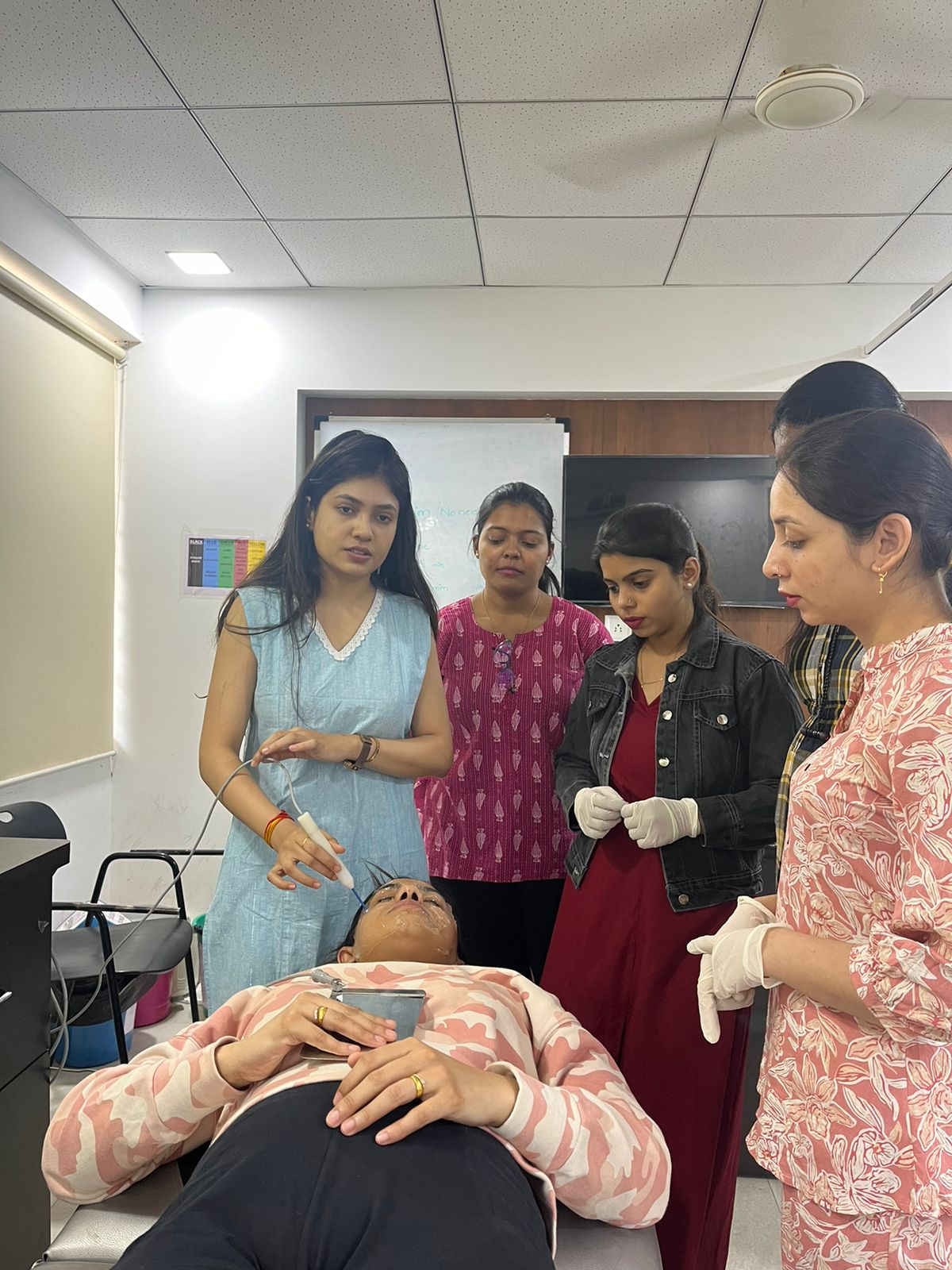
Theory, practical and practice in one course, with active participation built in and a two-month internship at the end.

  1. Learn

    Twelve modules, from the fundamentals of nutrition to specialised areas.

  2. Plan

    Create diet plans for each life stage as you go.

  3. Present

    Every student gets pre-assigned presentation topics.

  4. Intern

    Two months of internship, internal or external, with an assignment.

Course format

Duration and learning format

Modules
12
Internship
2 months, internal or external
Learning
Classroom + online support
Assessment
40% minimum pass mark
Re-attendance
Sessions again, no extra cost
Guidance
Lifetime academic guidance
Apply now
A diet plan being written beside fresh fruit and vegetables
Diet planning
A faculty-led discussion with students at I2CAN
Case discussion
Fruit and vegetables inside a capsule shape
Food first
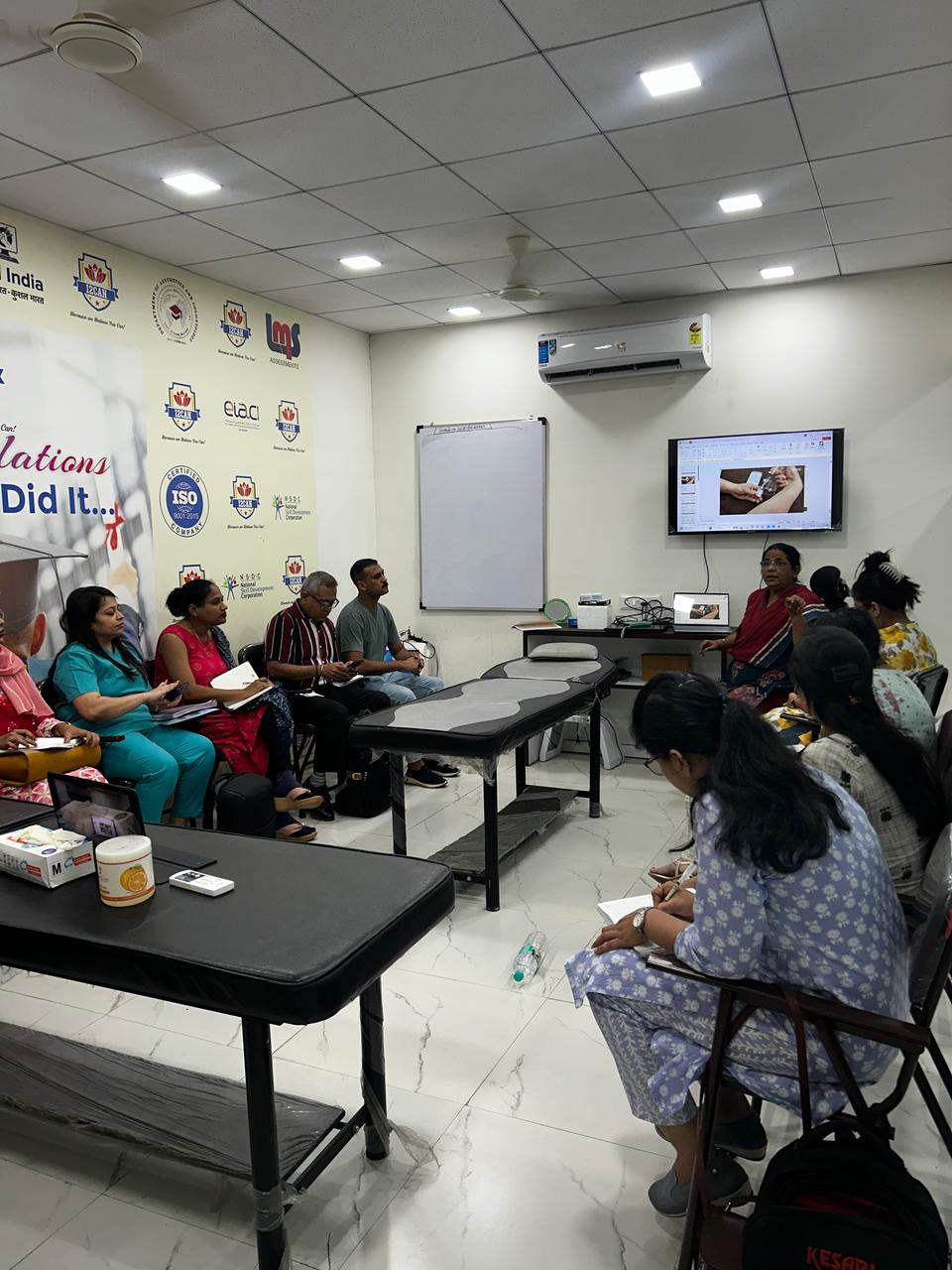
An I2CAN classroom session
Certified facultyDemonstration, then supervised practice
07 / Faculty & support

Taught by certified faculty, supported afterwards.

DFND is taught by experienced, certified professionals, with classroom sessions, online support and academic guidance that continues after the course.

  • Expert facultyExperienced, certified professionals.
  • Online supportSupport between classroom sessions.
  • Lifetime academic guidanceHelp with your learning after the course ends.
08 / Career paths

Where DFND
can take you.

Possible directions after the course. Where you go depends on your experience, your goals and the work you put in.

01

Wellness centres

General nutrition guidance and diet plans for clients.

02

Fitness clinics and gyms

Diet support alongside training programmes.

03

Hospitals and clinics

Nutrition support roles open to diploma holders.

04

The beauty industry

Skin and hair nutrition alongside beauty services.

05

Your own wellness practice

Consultations and diet planning for healthy clients.

06

Upskilling

Add nutrition knowledge to the work you already do.

I2CAN is not a placement agency and does not promise placement. We give interview guidance, and the internship is often where graduates make their first professional contacts.

09 / Certification

An I2CAN qualification, from an accredited institute.

On completion you receive the I2CAN Diploma in Food Nutrition & Dietetics, from an institute training students since 2016, across four centres.

  • ISO 9001:2015
  • International Accreditation Organization
  • International Accreditation Forum
  • 1,000+ Google reviews, 4.9 average

DFND is a vocational diploma, not a university qualification. No accreditation I2CAN holds confers any right to practise.
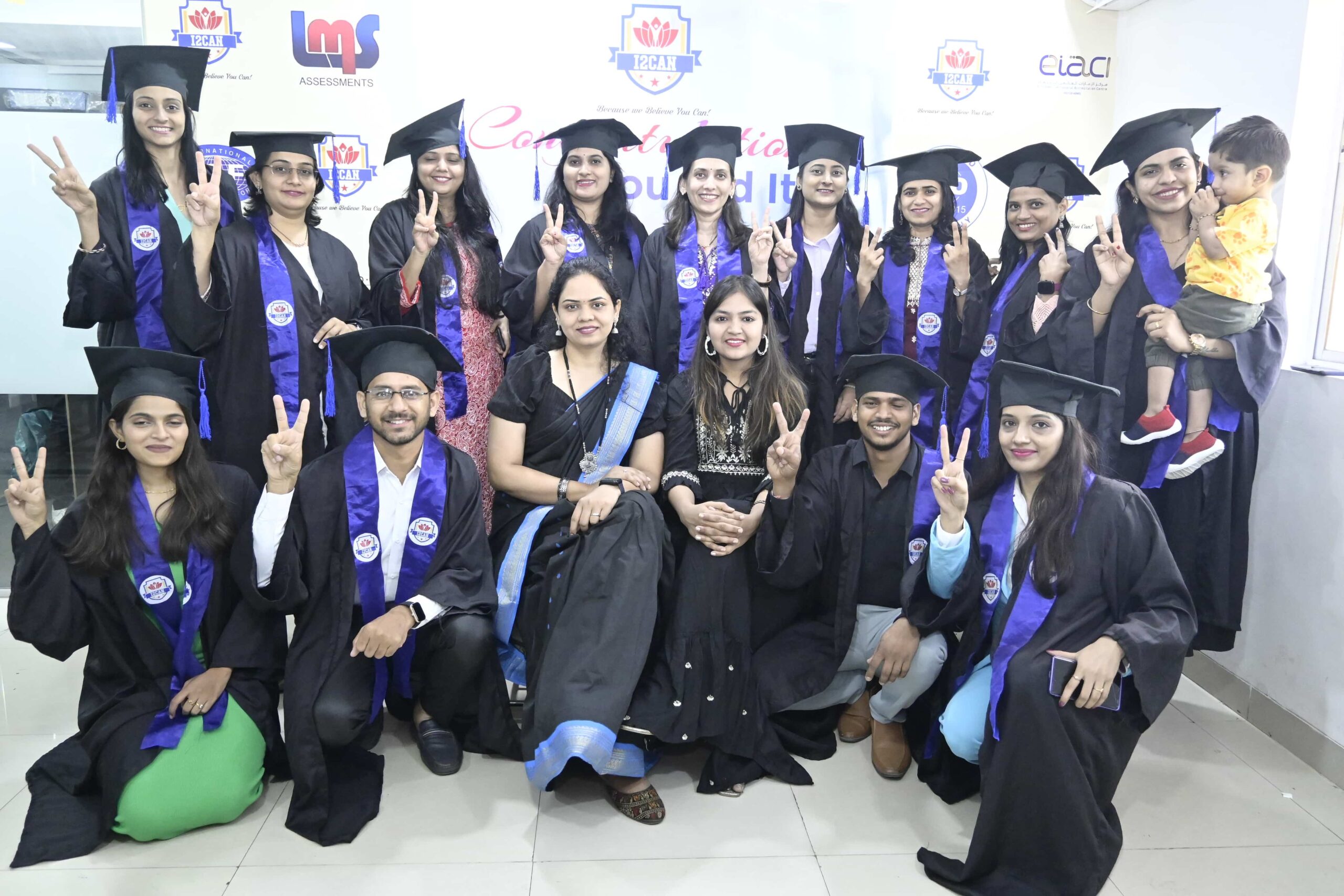
I2CAN graduates with their certificates at convocation

Training since 2016

I2CAN has trained students since 2016, at centres in Pune, Navi Mumbai, Mathura and Hyderabad.

Talk to a course advisor
10 / Why I2CAN

Support that continues after the course.

  • Attend sessions again at no extra cost
  • A dedicated two-month internship
  • Structured presentations for every student
  • Detailed, comprehensive course content
  • Fair, clear exam criteria
  • Online support and lifetime guidance
11 / Learner experiences

From students
who trained here.

Recorded by I2CAN students and faculty. Written reviews, unedited, are on our Google listings.

Journey to ExcellenceI2CAN student stories
Empowering MindsI2CAN student testimonials
12 / Common questions

What students ask
before joining.

Anything else, a course advisor will answer on a call.

What is the Diploma in Food Nutrition and Dietetics?

A diploma that teaches nutrition from the basics: nutrients and food science, anatomy and physiology, nutrition across life stages, therapeutic diets, and specialised areas including skin and hair, the mind, women’s health and Ayurveda. It ends with a two-month internship.

Do I need a nutrition or science background?

No. The first module covers the fundamentals of nutrition, and the course builds from there.

How is the course structured?

Twelve taught modules, followed by a two-month internship, internal or external. Teaching combines classroom sessions with online support. A course advisor will share the schedule for the next batch.

Will I learn to make diet plans?

Yes. Menu planning is part of the fundamentals, and the lifecycle module includes a diet plan for each stage, from pregnancy and infancy to older people.

What happens during the internship?

Two months of real-world practice, internal or external, with pre-assigned presentation topics and an assignment to submit.

How am I assessed?

Against a clear benchmark of 40% minimum passing marks, with progress tracked through presentations and assignments.

Does DFND make me a registered dietitian?

No. It is a vocational diploma, not a university degree, and does not lead to registration as a dietitian. Graduates offer general nutrition guidance; advice around a diagnosed medical condition belongs with the person’s doctor.

Can I attend sessions again?

Yes. You can attend sessions again in a future batch at no extra cost, subject to seat availability.

Will I get a job after the course?

I2CAN is not a placement agency and does not promise placement. We give interview guidance, and the internship is often where graduates make their first professional contacts.

What are the fees?

A course advisor shares fees and payment options on a call or on WhatsApp, along with the next batch dates.

Admissions

Start your career in nutrition.

Tell us where you are starting from. A course advisor will share batch dates, fees and the full syllabus, and answer your questions about the internship.

Get course information

No pressure, no spam.

We respect your privacy. Your details are never shared.

Get course details - talk to an expert Start